

Veterinary Service
Pet Surgical Procedures
When your pet requires surgery, our veterinary clinic offers a range of services to ensure the best possible outcome. Our surgical team is highly trained and experienced in performing a wide range of procedures, including spay/neuter surgeries, dental cleanings, tumor removals, and emergency surgeries. We use advanced surgical techniques and equipment to ensure a safe procedure and minimize post-operative complications.

Your pet is in safe, skilled hands with our team.
Our team has extensive training and expertise performing a wide range of pet surgeries using cutting-edge technology, cutting-edge equipment, and always upholding the strictest safety and care standards. We offer surgical solutions in a sterile and secure setting. Most importantly, throughout operation, our veterinarians can keep a close eye on each animal’s vital signs.
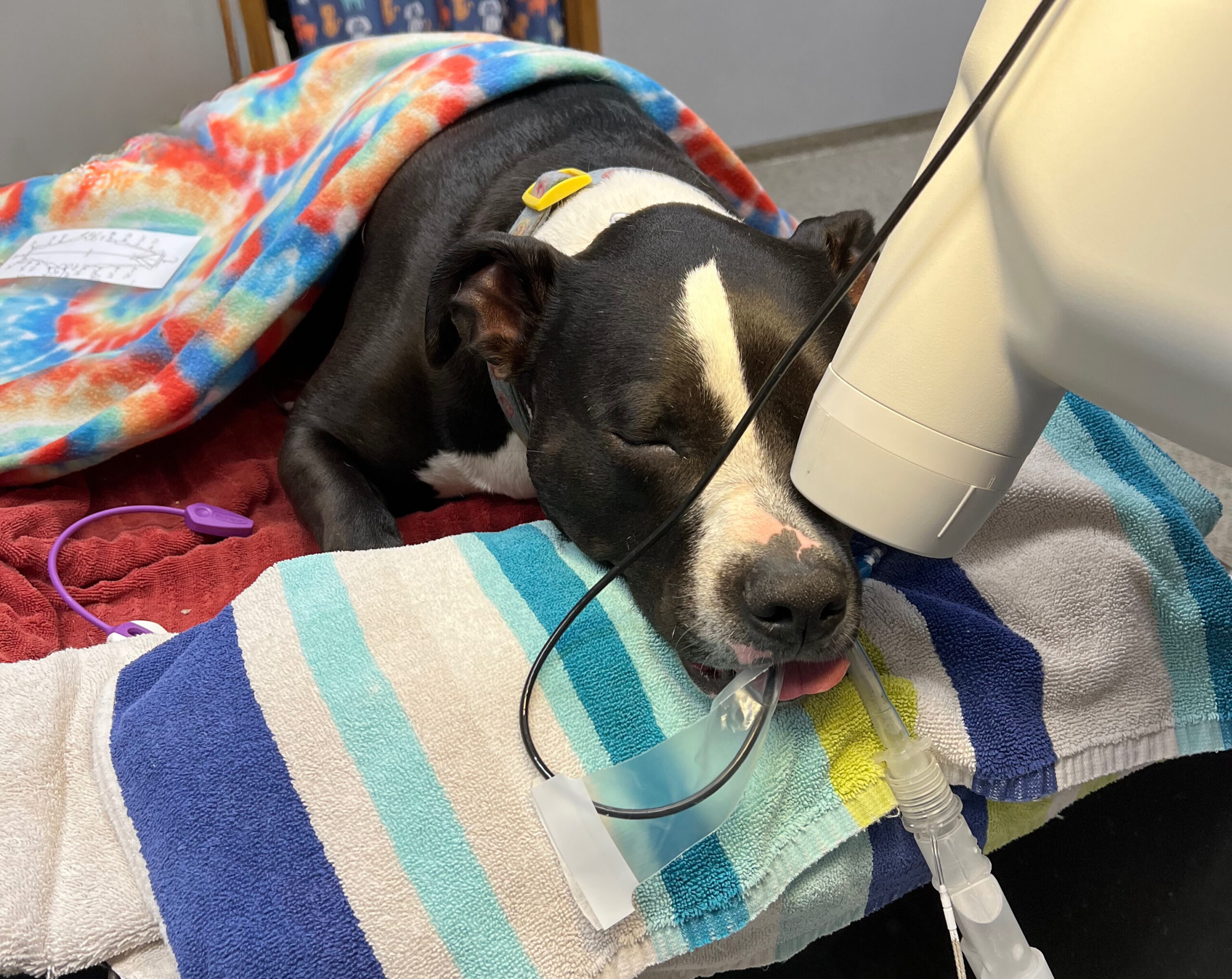
We recommend spaying and neutering pets when they are roughly six months old, though it can vary from pet to pet. When you bring your new puppy or kitten in for their first wellness exam or consultation, we will examine them, discuss your options, and plan accordingly.
Soft Tissue Surgery: Soft tissue surgeries are those that are not associated with bone. These surgeries can provide many benefits to pets. Probably the most common soft tissue surgery performed on pets is the removal of masses or lumps. Most of these masses, once removed and tested, are found to be benign (nonharmful); however, occasionally, they are more serious. Early removal and accurate diagnosis of a lump are necessary to improve the outcome in your pet if the mass is cancerous.
Please contact us if you’d like to discuss how soft tissue surgery might be able to help your pet.
Dentistry: Even if you’re using treats and chews to help control tartar, these are insufficient to keep dental disease in check. Ask us about the best ways to control plaque and help protect your pet from dental disease.
Dental hygiene is an important part of your pet’s health because dental disease can be associated with other serious health problems such as heart disease and kidney disease. But how do you know if your pet has a healthy mouth?
Some signs that your pet may be experiencing a dental problem include bad breath, red, inflamed, bleeding gums, yellow, broken, or missing teeth, excessive drooling, difficulty chewing, pawing at the face, and obvious pain when touched near the mouth area. If you notice any of these signs or symptoms, it’s time to schedule a dental exam. The sooner we can diagnose and treat an existing oral health problem, the better the outcome for your loved one.
Click Here For More Info>>>